 how-to
How to Protect Car Clear Coat from Oxidation and Peeling
Last Updated: October 29, 2026
Quick Summary
To protect clear coat, wash with the two-bucket method and a microfiber mitt, then apply wax every 4 to 6 weeks or a longer-lasting paint sealant, ceramic coating, or PPF. Park in shade to limit UV damage and remove bird droppings and tree sap quickly.
- Clear coat oxidation starts as a dull haze that survives a wash, then turns chalky and rough.
- Wash top down in straight lines and dry with a plush microfiber towel using zero pressure.
- Wax lasts weeks, while paint sealant bonds to the surface and lasts longer.
- Dish soap can strip the protective layer, so use pH-neutral shampoo instead.
- Once peeling or delamination starts, a respray is the real answer.
Table of Contents
- Why Clear Coat Fails and How to Spot the Warning Signs
- How to Prevent Clear Coat Peeling with a Proper Wash Routine
- How to Protect Car Paint from Sun Damage and Environmental Threats
- Repair vs. Prevention: Where the Line Sits
- Frequently Asked Questions
Why Clear Coat Fails and How to Spot the Warning Signs
Clear coat is the transparent top layer of automotive paint that shields the color coat, blocking UV, repelling water, and holding gloss. When it fails, damage moves downward and repair costs can climb fast.
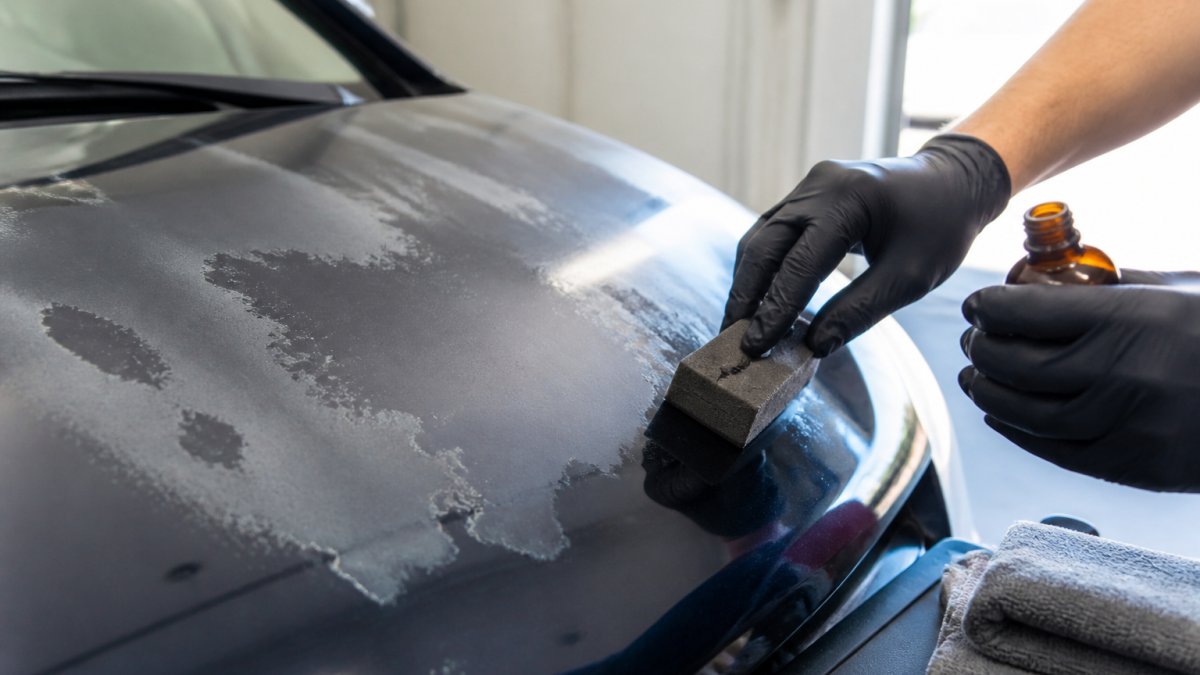
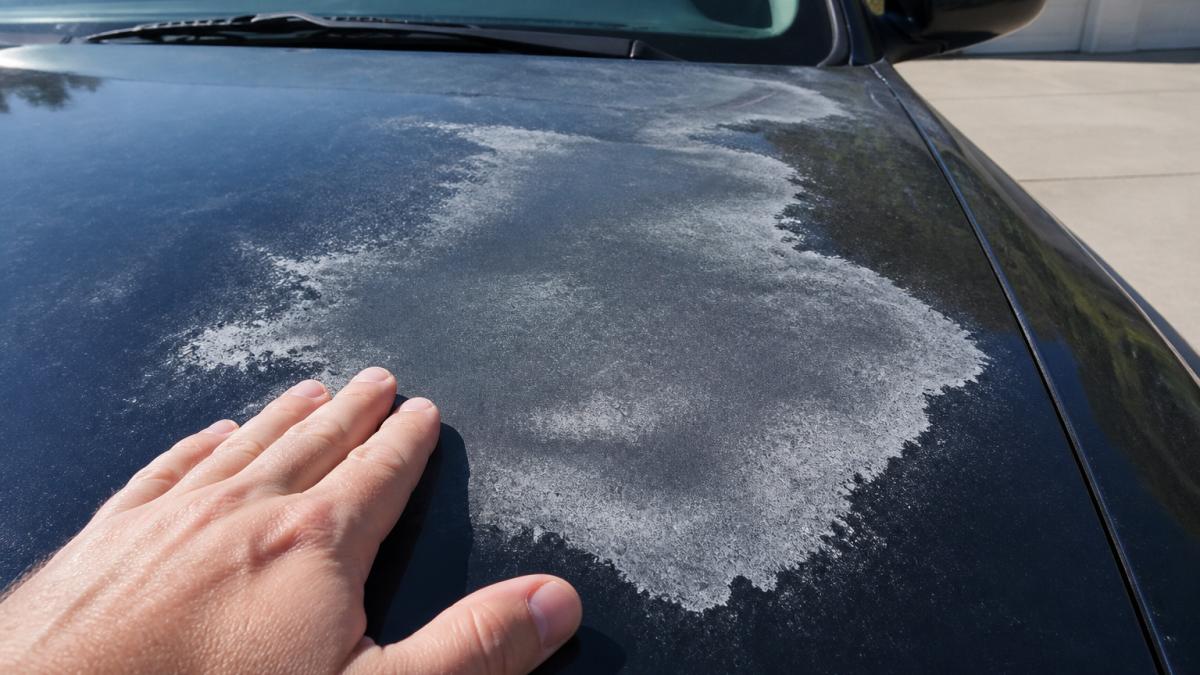
Clear coat oxidation starts as a dull haze that survives a wash, then turns chalky, rough, and white. Watch for lost gloss on hood or roof, chalky patches that do not rinse away, water that stops beading, rough texture after a wash, clear coat peeling at seams and wheel arches, and delamination where the clear layer lifts and flakes. Peeling is the point of no return, only paint correction or a respray fixes it.
How to Prevent Clear Coat Peeling with a Proper Wash Routine
A careful wash process is one of the most effective ways to reduce clear coat damage, since much peeling starts with tiny scratches that grow into weak spots. Pre-rinse loose grit, then use the two-bucket method with a grit guard in each and a microfiber wash mitt. Wash top down in straight lines, rinsing the mitt after every section, and dry with a plush microfiber towel using zero pressure. Periodically, decontaminate with a clay bar treatment, then apply a paint sealant or wax.
How to Protect Car Paint from Sun Damage and Environmental Threats
UV radiation breaks down the clear layer molecule by molecule, hitting horizontal surfaces hardest, so shade or a cover is the cheapest defense. Acid rain etches the surface, and bird droppings and tree sap stain within hours in warm weather, wash them off fast. Wax lasts weeks; paint sealant bonds to the surface and lasts longer; ceramic coating for car paint forms a chemical bonding layer with hydrophobic properties, resisting UV and holding gloss retention far longer; graphene coating adds durability; and paint protection film, or PPF, is a physical urethane shield against rock chips and light scratches. Wax every 4 to 6 weeks; sealed or coated finishes need far less topping up. Chemical compatibility matters: never layer wax over a fresh coating or mix harsh cleaners with a sealed surface. Watch out: dish soap can strip the protective layer, so pH-neutral shampoo and clean microfiber are the safer choice.
Repair vs. Prevention: Where the Line Sits
The repair vs. prevention threshold is simple: if the clear coat still has gloss and beads water, protect it; if it is chalky, rough, or peeling, you are past prevention. Paint correction uses buffing and polishing to remove oxidized layers, but only while enough paint thickness remains, so a detailer measures first. Once clear coat peeling or delamination starts, touch-up paint and high-grit sandpaper are stopgaps; a respray is the real answer and costs far more than years of preventative maintenance.
| Stage | What You See | Best Move |
|---|---|---|
| Healthy | Glossy, water beads | Wash routine plus wax or sealant |
| Mid oxidation | Chalky, rough patches | Paint correction, then coat |
| Failing | Peeling, delamination | Respray or PPF after repair |
Long-term cost-benefit: a coating or film applied early can cost less than a respray and helps protect the finish. Our services include multi-stage paint correction and ceramic and graphene coatings; contact us for current pricing and warranty details. We have over 30 years of vehicle detailing experience.
Frequently Asked Questions
Does waxing protect a car's clear coat?
Wax adds a sacrificial barrier on top of the clear coat that takes the brunt of UV radiation, acid rain, bird droppings, and tree sap before they reach the paint. It does not repair existing damage, so apply it to a clean, decontaminated surface. A quality wax barrier slows oxidation and helps water bead, but it wears off over weeks, which is why regular reapplication matters for anyone protecting a daily-driven or collector vehicle.
Can ceramic coating prevent clear coat peeling?
Ceramic coating for car paint forms a chemical bond with the surface that resists UV radiation and environmental contaminants far longer than wax, which reduces the conditions that lead to clear coat peeling and delamination. It will not rescue clear coat that is already lifting, so any peeling or oxidation needs paint correction first. A professionally applied coating with a manufacturer warranty gives the longest gloss retention and hydrophobic properties.
How often should you wash a car to protect its clear coat?
Wash every one to two weeks in normal conditions, and more often after winter road salt, bug splatter, or bird droppings, which are acidic and etch quickly. Use the two-bucket method with a grit guard and a microfiber wash mitt, then dry with a clean microfiber towel to avoid scratches. Skipping washes lets environmental contaminants bond to the surface and accelerate clear coat oxidation.
Your clear coat will not warn you twice. Once the gloss fades and the surface turns chalky, the clock is running. Book with 2Clean Inc. and let our team assess your paint, correct what is fixable, and lock in long-lasting hydrophobic protection with a manufacturer-backed coating. Get started with 2Clean Inc. and protect the finish before the damage becomes permanent.
